Showing posts with label plants. Show all posts

Thursday, November 2, 2023

Green Tomato Harvest Ideas: Chutney

Now that I am learning about native plants and reading people like Doug Tallamy, I let my plants stand and die in their spots.
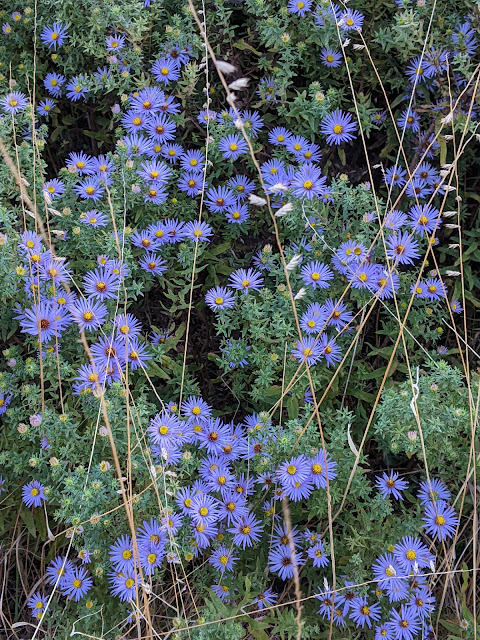
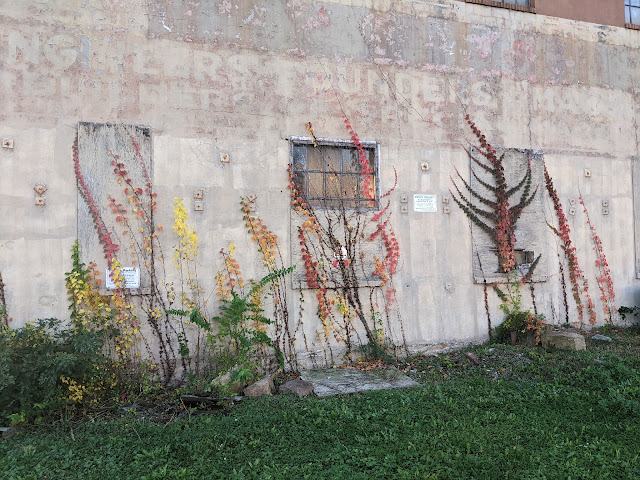
They provide homes for insects and food for other critters over winter. In the spring, they are reduced sufficiently to break down into soil or something - it must be easy because I don't have a memory of any hard work associated with them in the spring. 

So I had green tomatoes right up until frost. My husband brought in my huge bread bowl full. They are very versatile!
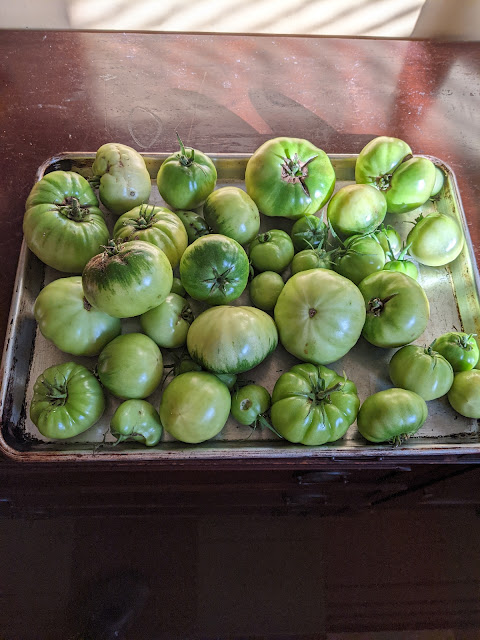
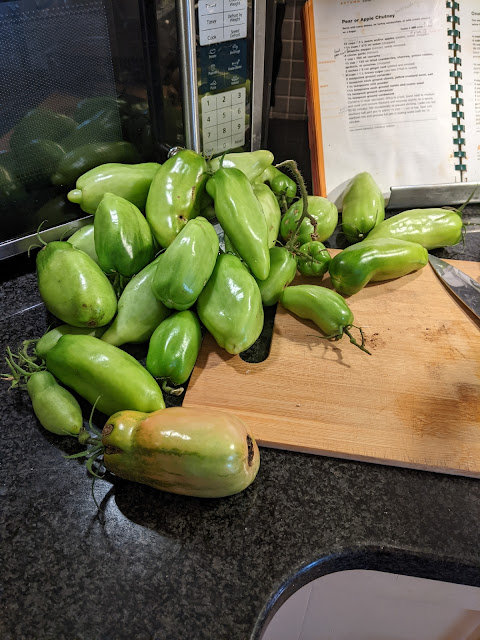
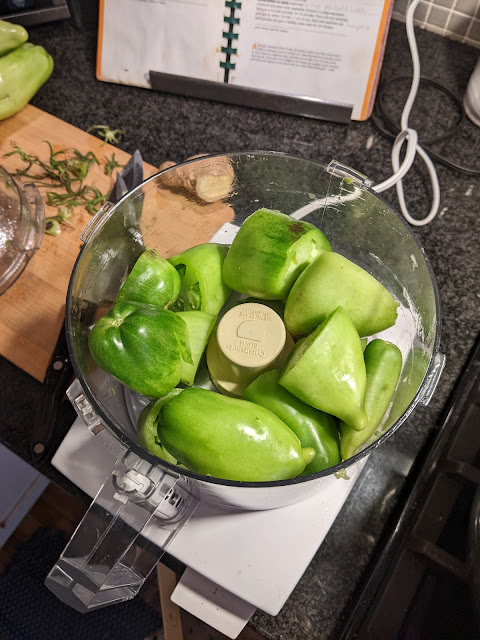
You can make salsa verde, to eat fresh or can. You can make green tomato curry or dhal (google for recipes), or you can chop them up and freeze them as is, no blanching required, to make that recipe in the future. You can pickle them as fridge pickles or to can if you don't have fridge space. And yesterday, I used a bunch to make chutney. 

I got the idea from my old Mennonite cookbook, Mennonite Community, that has green tomato pie which closely mimics apple pie. I have an apple chutney recipe I love, so I researched a bit and decided I could use green tomatoes instead of apples in my recipe. It worked GREAT. 
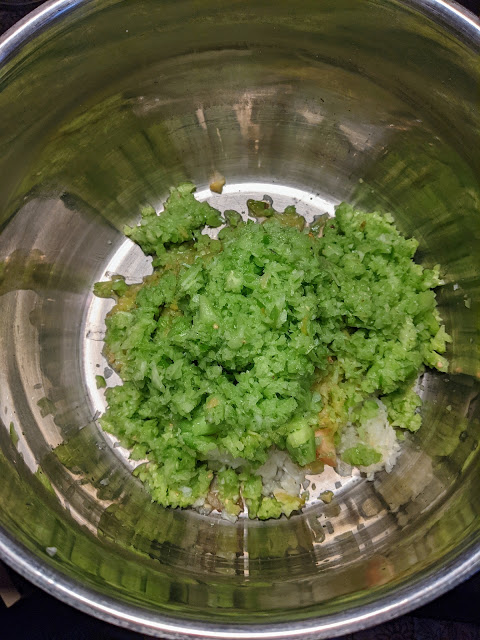

I did taste it at the end of cooking, tweaking the taste with a bit of salt and a few more sprinkles of cumin and chili powder. We'll eat this chutney next to Indian dishes this winter, with naan or with rice and curry. 
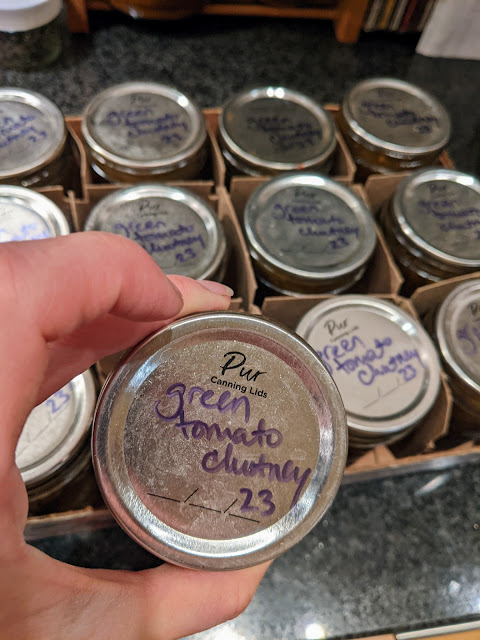
My freezers are full to the brim, so I was glad for a canning method for the green tomatoes. I think I'll can some pickles next. 
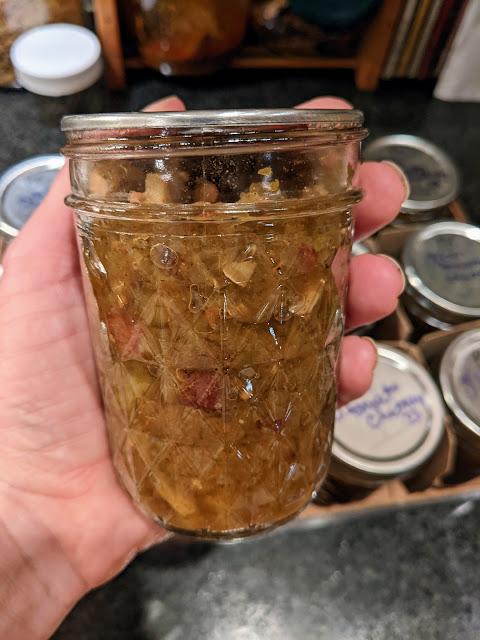

Green Tomato Chutney, adapted from Simply in Season

Combine in large pot, preferably wide:

12 cups finely chopped green tomatoes (I use my food processor)

1 1/2 cups chopped onion

4 cloves garlic, chopped

1 cup raisins

2-3" piece ginger root, minced

2 1/2-3 cups dark brown sugar

1/4 cup apple cider vinegar

2 tsp. ground coriander

1 tsp. ground cloves

1 1/2 tsp. yellow mustard seed

1 tsp. salt

1/4 tsp. cayenne pepper

1/4 tsp. black pepper

1 1/2 tsp. chili powder

1 1/2 tsp. ground cumin

1 1/2 tsp. cumin seeds

1/2 tsp. ground cinnamon

1/4 tsp. ground cardamom

Bring to a boil, covered. Then reduce heat and simmer until softened, thickened, and will mound slightly on a spoon. Keep covered if the mixture is not very liquid-y, or remove lid to evaporate some liquid (depends on the green tomatoes - mine were on the dry side). Stir occasionally for up to 1 hour. To can, process in pints or half-pints in boiling water bath, 15 minutes for half-pints, 20 minutes for pints. 
Tuesday, June 14, 2022

Walking the Estate on a June Evening

 Come view my plants with me! I'll tell you some tidbits about my plants and what's going on. 

I put some houseplants out for a bit of fresh summer air. Some of you advised me to put my spiderwort outside to get rid of its brown faded leaves. We'll see. 

Another houseplant, the big spider from the dining room. I like to think it gives the hummingbirds a little cover at the feeder. The pink geranium is Phoebe's from 3 years ago! The red geranium is mine from last year. They cover up the sugar drips from the feeder quite prettily. 

The rhubarb on the left is still going strong. The little swamp white oak grows steadily in the middle and the red raspberries on the right are exploding. I am hoping to make red raspberry jam this year. There's apple mint (meadow tea, the locals say) mixed in there, too. 

This is my rain garden full of native plants, and I adore it. I am reading about native plants and having a real epiphany about their importance to the birds and bees and, you know, people. Because we are all connected and nature needs us to do our part to fix the damage. 

My tomato plants were nibbled early on, but not recently. I suspect a rabbit family took up residence under the red raspberries and we have tried to make them feel unwelcome with bobcat pee and stern lectures. The plants are heavily mulched with grass clippings from my dad. 

Black raspberries coming on!

The main raised bed has Phoebe's zinnias that she planted from seed, pepper plants, okra seedlings that I started from seed, and cucumbers and green beans just coming up. The okra seedlings were also being nibbled, but I suspected slugs or snails. I ringed each seedling with crushed egg shells and diatomaceous earth. The damage slowed down, so I guess it helped?

In the back is my new composter gotten free from a neighbor via freecycle. My old composter sat on the ground and the mice made themselves free with it. I mean, I still got plenty of great compost but it annoyed me to feed mice so close to our house when they take any opportunity to come inside in cold weather. Behind the composter are some junk trees growing in the fences there. Their roots are not on our property but their branches sure are. One tree I have been cutting back for years. I don't want to use chemicals on them, but they look so ridiculous and they're not situated for anything useful. 

Here is Phoebe's pepper plant and my new herb bed my husband made me. I am having a hard time thinning the basil seedlings. I love the transformation of seed to seedling to food so much that I can barely stand to take any of the seedlings away. I know, I know, they need the space. . . I actually transplanted some in my front porch pot to help my mental state!


My front porch flowers make me so happy. Just happy. Life is zipping by, my children are at a hectic age, but we walked the estate here and I'm grateful. 

Thursday, April 28, 2022

Rhubarb Morning

I have my longjohns on again under my pants because the windchill is 29F, but the rhubarb is basically a bush again so I cut it for the first time this spring!

Those branches in the foreground are from little white swamp oak growing slowly but surely next to the rhubarb. There are lilies of valley on the other side. Other years, I have been planting zinnias in that bare patch but they really grow too tall for that space. I want to figure out another bright happy flower to sow there that is shorter. 

I'm planning to make a rhubarb custard pie to share with friends this evening! And I still have some jars of chopped frozen rhubarb from last spring, oh dear. I got a tip from another friend to use rhubarb in winter soups and sauces where he would normally use lemon for tartness. It worked great for me. 

Friday, April 1, 2022

Rain Barrel Management

We've had a rain barrel under one of our downspouts for years. In our city, it's important to manage rainwater which routinely floods our ancient combined sewer system and pollutes the river which pollutes the bay downstream. I use the rainwater to water our outside plants. In hot weather, the water gets a little smelly - haven't tried very hard to solve this problem in an eco-friendly way, so I want to know if you have solutions (and any other rain barrel management tips - you can see we are a no-frills operation).

I think most people in our area disconnect their rain barrels from their downspouts in freezing temps, but we have not. I do actually use rainwater through the winter on houseplants and with compost activities. It is important to keep the rain barrel from freezing as the ice can damage the barrel itself as well as the spigots and overflow spouts through expansion and thawing. On warmish days, I would try to remember to drain water as needed to keep the rain barrel at half full or less. 

But I have hit on a more successful (for me) method: the stock tank heater. I don't love shopping as entertainment but it is true that sometimes shopping without a plan yields exciting problem solvers. I didn't even know there was such a thing as a heater for an animal's drinking water! 

"K&H De-Icer"

I just plug it in when the temperature is cold enough long enough to freeze the barrel. I do have to use an extension cord, which is not recommended, but our outlet is a new GFCI outlet so I am comfortable with the safety. The cord has a plastic sleeve to protect it from the top barrel edge as the heater floats along in the rain barrel. 

After I bought this heater and had it going, my dad told me it's possible to buy stock tank heaters that are "temperature limited," meaning they run on a thermostat and only heat the water to a pre-set temperature. That seems like a prudent energy saver that I would look for next time. 

I have now put away the stock tank heater three times this spring, mis-judging the depth of cold still in store for us. I am almost scared to put away the cold weather things again! Sadly, our neighbor's gorgeous magnolia buds were ruined in the last surprise cold spell, and I will miss the creamy pink blooms this spring. 

Tuesday, March 15, 2022

Seeking Advice on This Houseplant

My Grandma Weaver's house was full of houseplants, many of them given to her from owners who gave up trying to keep the plants happy. The entire wall in her daylight basement housed babies and big ones of all kinds, nurtured in plastic margarine tubs, yogurt cups, or old plastic nursery pots. When she passed on to glory 20 years ago, I was thrilled to get two of her houseplants.

My sister and I shared the jade plant and have propagated many baby jade plants successfully over the years (Locals! You can always hit me up for a baby jade plant). 

However, I am baffled by the spiderwort plant I have. It has nice looking pink and green tips, but all these papery dead leaves on the rest of the stems. I have tried re-potting, different light, re-propagating and starting over.. . . but it always reverts to this disheveled look with pretty tips.

It still looks strange even with the dead leaves removed.  I'm loathe to ditch the spiderwort because it's a direct connection to a grandma I cherish. . . but I'm not pleased with its looks. Any advice for getting rid of those dead-looking stems/leaves? For getting it to look less scraggly?

I think partly what is going on is that perfectly-shaped houseplants in trendy pots are terribly popular right now. This is testing my loyalty to my houseplants that are less cute. Also, spring is springing and I feel the urge to clean up, freshen up, and refurbish all the things. 

Thursday, September 23, 2021

Fun With Okra

Without exception, my family loves okra. Okra loves hot weather, which is why it is such a Southern thing, but it is possible to grow it around here and I have found it from some local farmers occasionally. But to really ensure an adequate supply, we have started growing it in our backyard!

green beans on left, tomatoes in back, okra on front right

Our first crop was last summer - we started the plants from seed, mainly my husband driving this with his outsize love for okra, and were astonished at everything about them. The okra plants get about 8' tall and their stalks are woody like trees, so it's not easy to get them out of the garden in the fall. The pods grow from gorgeous hibiscus-like flowers. And the pods grow fast. We try to harvest them at 3-5" long, but even when we miss some and they are longer than that, they have stayed tender and not woody, thank goodness. 

This picture has a funny story. I picked the garden in the morning, and then I wanted a picture of a person with the okra plants to give you some idea of their height. I brought my husband outside to help, and I am struggling to hold all the okra pods he found after I thought I had picked all of them! He called me "okra-blind," oh my word. I retorted that the pods grew big enough in the few hours between pickings! Also, we are getting about a quart of okra pods daily right now from 10 plants. Amazing.

Okra pods keep pretty well in the fridge. My go-to recipe is to slice the pods in coins, toss with some flour and cornmeal and a seasoned salt or equivalent, then fry in a hot oiled pan until they get some crispy, browned edges. We never have leftovers!

Extremely proud to have okra, green beans, and tomato pesto (on pasta) all from our backyard garden!

Another easy method is to oil the pods lightly, salt and pepper, then grill until they are browned in places and even splitting open a little. So so so good. 

When time permits, I make gumbo. And I was astonished to see at this linked blog post that we also grew okra in 2010. I have no memory of that whatsoever! 

This year, I also pickled some okra because there was so much on hand. I used the Ball Blue Book recipe, which is essentially the same as the dilly beans I like to can.

If you have okra recipes to recommend, please do!


Public service announcement: I absolutely re-use my canning lids if they are free of nicks, dents, rust, and the like.  I have been doing this for years. There was (is?) a canning lid shortage due to the pandemic, but I recommend this practice for economical reasons even when there is not a shortage. I have found no difference between lids that went through a waterbath or through the pressure canner. The main thing is to reuse lids in good condition. Iffy lids are used on jars that are used for food storage in the freezer or elsewhere, or recycled in my metal bin that I take to a salvage yard.


A word about how I did those okra pickles: I looked at the recipe one night, pulled the jars from the basement the next morning while waiting for the coffee, washed them later in the morning while on a phone call, stuffed the okra pods and garlic cloves in the jars in the afternoon before picking up Phoebe, mixed the brine and filled the canner after picking up Phoebe, and finally assembled the jars and canned their butts right before we went out the door again to Ben's game. It goes to show that little chunks of time can add up to a finished project. Dogged determination gets everything done, right? We choose what we spend our precious time on, and food preservation is important to me, but dang, family life is busy. 

Thursday, May 27, 2021

Green and Growing

Last weekend, I was talking to a blogger friend who has also drifted into silence on his blog, and we agreed that we missed writing and then we further vowed that we would blog again. So here I am! 

Let's start with all the green things. The plants are hard to distinguish in the photos. If you're local, come for a tour: we can safely do that again, praise the Lord! My loosestrife did not come back in the cute little olive pot, so I pulled a spider baby off a houseplant and a piece of creeping Jenny from the tree well and poked them in there. It's only been a couple days, but they don't look dead so I'm hopeful.
The big pot has lemongrass, purple basil, apple mint, petunias, marigolds, and creeping jenny. I love mixing edibles and flowers. The nasturtium seeds are germinating unevenly for the second summer in a row. I think I need to buy more and sow more heavily to get a decent amount. That parsley overwintered and surprised me. 
We are making a pea gravel patio in our backyard after talking about it for years. It's coming along and we are using it in its half-completed state, eating supper outside most days on our new dining set before the mosquitoes get going. 

We also made a rain garden to absorb the runoff from our roof after my husband piped the spouting under the patio. Our city has a runoff problem that is polluting nearby waterways, so this is one way we are working at it. We followed directions to blend the soil with compost and sand and dig the bed out to encourage absorption. The native plants can handle soggy roots if needed. We planted a redtwig dogwood, black-eyed susans, Joe Pye weed, turtle heads, and another shrub whose name I don't recall. I loved this project! 
I planted kale last fall and was pleased by the harvest and thought it was done, but it appeared this spring. Bonus! Or maybe that's what kale does? I still have a lot to learn about growing food. 

My sugar peas are just starting and we've been harvesting spinach for a few weeks now. I transplanted 4 tomato seedlings to nurture; we get volunteers every year from the heirlooms planted years ago. It's thrilling, but maybe not advisable for crop rotation and soil diseases.
 We grew okra for the first time last year and it was a huge success: easy to grow, nutritious, popular with the fam. The seeds my husband saved did not germinate, however, so I just bought seed (not really easy to find in the north) and we're trying again. 

The red and black raspberries are going nuts. I lost my hold on a container of organic berry fertilizer this January and whoops, they got overfed. 
The rhubarb is also turning into a bush! That is a little swamp white oak tree next to it, which is finally taller than me. It is a slow growing tree, but I was just reading this spring how oaks are the backbone of the regional tree ecosystem, so I'm pleased to be part of that. 

My family gives rhubarb the side eye, but I love it, so I'm still figuring out how much I can realistically use or preserve and whether I should give it away. I did already freeze some to use as a tart element in winter cooking instead of lemon: got that tip from a friend who also likes to cook with local food. 
How are your plants doing? And how are you? I missed you and plan to keep writing here!

Tuesday, March 31, 2020

A Garden Kneeler

I used to have a little foam mat that I would grab to kneel on as I reached into my garden beds in spring when the ground is typically muddy.  Last year, the mat finally became trash; I can't even quite recall how, but I think it involved the children's play.


I would never buy such a thing now, so I made one with materials I had on hand (not going anywhere or buying anything much besides food because pandemic). I had a scrap of shower curtain, some outdoor fabric pieces, and an old life-preserver my father-in-law gave me filled with kapok. Kapok, I learned, is fluffy stuff from a tree that grows in the rainforest.


I first sewed a bag out of the shower curtain and filled it minimally with kapok.  I wanted some softness, but not a fat pillow.  Then I encased the whole thing in the striped outdoor fabric.  I meant to put a loop on one end for easier grabbing and carrying, but oh well: such is the state of my brain these days.


My rhubarb is coming out strong.  I just planted it last summer, so this is the first spring I will be able to harvest it.  I am thrilled!

I babied an expensive little clematis last year, and it appeared to die in August.  Oh, I was mad.  Now, something green and viney is coming in that space and I think it's the clematis! In this strange spring, I want all the green, growing hope I can find.


Here is Genevieve's new bunny, just a few months old, a mischievous little sweetie.  Genevieve named her Daisy Augusta Saoirse Diamond, and is entirely responsible for her.  There is so much joy in this relationship!  Daisy's poop is going be great in the garden.


I've planted spinach and snow peas in the raised bed, as well as spinach in some containers out front. I also snagged some basil and parsley seeds at the grocery store.   This is really all the room I have to start seeds in a sunny location; the rightful occupants of this windowsill are visiting other windows in the house. 
I'm relieved that my summer seeds arrived yesterday - I had gotten an email saying they would be delayed indefinitely - so I am trying to be on track with the garden and trying to continue learning. Seems like a good year to grow more of our food.